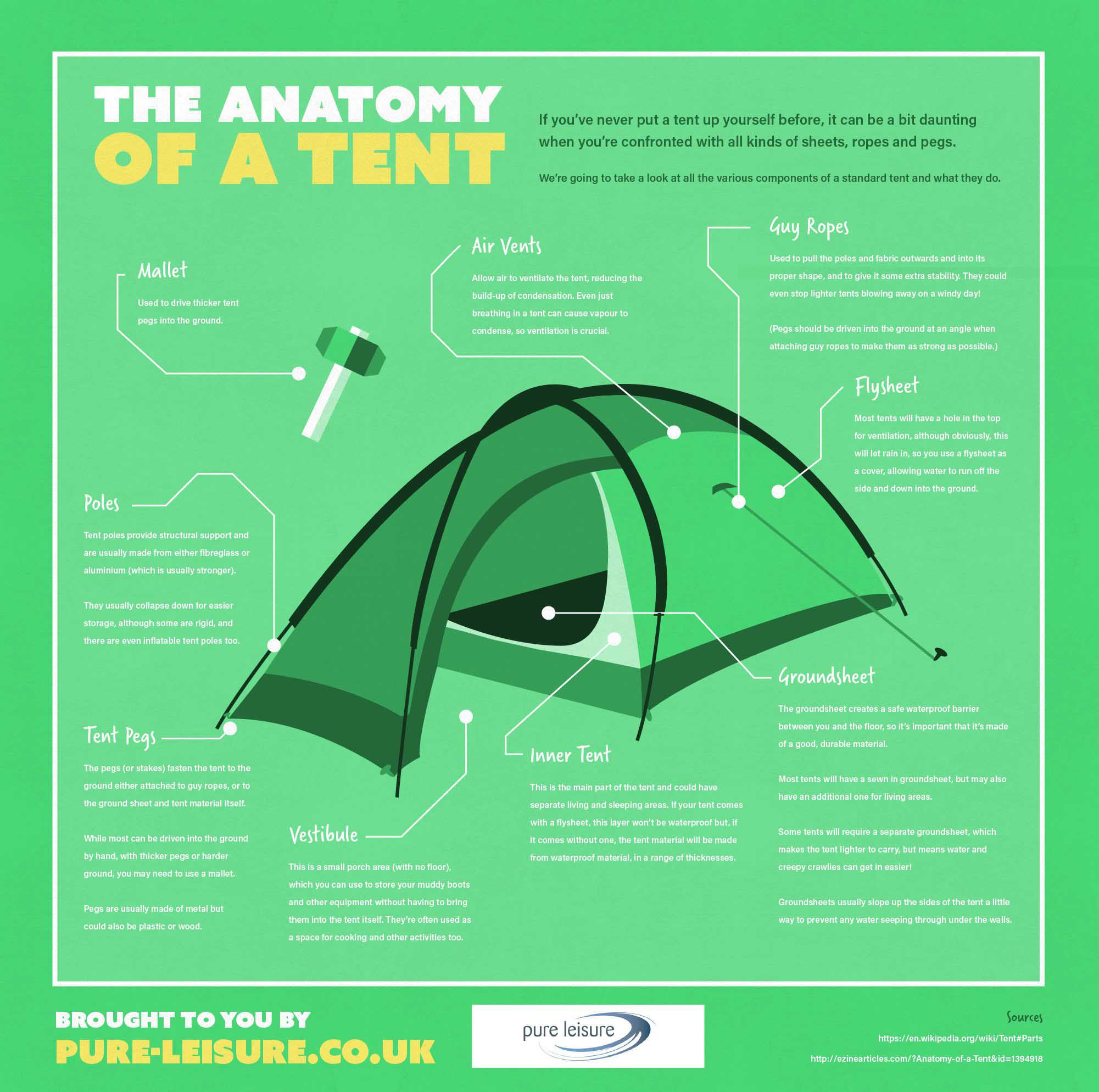
Whether you are a skilled camper or somebody preparing their first exterior experience, a water resistant ground sheet is one of those items of gear that rarely obtains the spotlight it deserves. It rests quietly under your camping tent, doing some of one of the most essential work in your whole setup. Recognizing what it is, exactly how it works, and why it matters can make a genuine distinction to your comfort and your equipment's long life.
What Is a Water Resistant Ground Sheet?
A ground sheet, sometimes called an impact or groundcloth, is a protective layer placed in between the floor of your outdoor tents and the ground below it. As the name recommends, a water resistant ground sheet is made from products that actively stand up to or totally obstruct moisture from travelling through.
The ground, even when it shows up dry, holds a surprising quantity of dampness. After rainfall, dew, or even simply overnight condensation, the dirt beneath your camping tent can transfer dampness upward via the tent flooring. A quality ground sheet functions as a barrier, keeping that moisture from permeating into your resting space.
Products Used in Waterproof Ground Sheets
Not all ground sheets are developed equal, and a lot of the difference comes down to the product used in their building.
Polyethylene (PE)
Polyethylene is just one of the most usual materials for affordable ground sheets. It is light-weight, low-cost, and naturally water-proof. However, it can be loud underfoot and has a tendency to be less long lasting over time, particularly if dragged throughout rough or rough terrain.
Nylon and Polyester
These artificial fabrics are popular in mid-range and superior ground sheets. They are typically coated with a polyurethane (PU) or silicone surface to improve waterproofing. Nylon is recognized for its strength-to-weight proportion, while polyester uses better resistance to UV degradation. Both products are extra packable and quieter than PE.
Tyvek
Tyvek has come to be a much-loved among ultralight backpackers. It is a spun-bonded olefin material that is breathable yet highly water immune, hard, and incredibly light. Tyvek does not pack down as tiny as covered fabrics, but it punches well over its weight in toughness and performance.
Just How Waterproofing Is Calculated
When searching for a ground sheet, you might stumble upon a score called the Hydrostatic Head (HH). This figure, shared in millimetres, informs you just how much water pressure the textile can stand up to before wetness begins to press through.
A ranking of 1,000 mm is considered the minimum for standard waterproofing. For ground sheets, which sit directly on damp or wet soil under the weight of your body and equipment, a rating of 3,000 mm or greater is normally recommended. Some durable options work out beyond 5,000 mm, using dependable security also on boggy or waterlogged ground.
Why a Ground Sheet Matters Beyond Waterproofing
While keeping moisture out faerieworlds 2023 is the key function, a ground sheet supplies several other sensible benefits that are worth thinking about.
Securing Your Camping Tent Flooring
Camping tent floorings, also those made from resilient materials, are prone to slits and abrasion from rocks, roots, and sharp debris. A ground sheet absorbs this damage, expanding the life of your tent dramatically. Changing a ground sheet is far more affordable than replacing or repairing a camping tent flooring.
Insulation from Cold Ground
Cold ground can draw warm far from your body through the outdoor tents flooring and your sleeping floor covering. A ground sheet includes a thin however meaningful layer of insulation between you and the earth, aiding you stay warmer on cool nights.
Easier Camping Tent Cleaning
After a trip, your ground sheet takes the force of the mud and crud. Since it can be separated from your camping tent, it is a lot easier to clean up and completely dry individually, maintaining your outdoor tents in far better overall condition.
Choosing the Right Size and Fit
An usual error is utilizing a ground sheet that expands past the impact of your camping tent. Any type of exposed edge will funnel rainwater straight below the sheet, which beats the objective completely. Your ground sheet must be somewhat smaller than the tent floor, or precisely matched to it. Lots of tent makers sell custom footprints made for their specific designs, which take the uncertainty out of sizing.
Tips for Obtaining the Most Out of Your Ground Sheet
Fold the sides of your ground sheet somewhat inward when setting up camp to stop channelling. Shop it individually from your camping tent so any remaining dampness does not transfer. Examine it consistently for small holes or flaking finishings, and patch small damage before your following journey rather than after.
A waterproof ground sheet is an easy investment that pays dividends comfortably, heat, and tools treatment. Once you camp with one, pitching a tent without it will seem like leaving an item of the problem behind.